Category: Cruise Planning

  • Why Booking With a Travel Advisor Can Actually Save You Money

    Why Booking With a Travel Advisor Can Actually Save You Money

    There’s a common misconception out there about whether a travel agent is worth it for cruises. On the surface, it feels like adding a middleman.

    But in reality, working with the right travel advisor often gets you more value for your money – and sometimes saves you from headaches you didn’t even know were possible.

    Let’s talk about why.

    It’s Not About Paying More – It’s About Getting More

    Anyone can go online and book a cruise in a few clicks. The question isn’t can you book it. The question is: are you getting the best value for what you’re spending?

    Because there’s a big difference between the cheapest price and the best overall deal.

    Sometimes that means extra onboard credit. Sometimes it means better cabin placement. Sometimes it means avoiding a mistake that quietly ruins your trip.

    As an advisor, I sometimes get access to deals that aren’t publicly available. Recently, I had access to an additional $100 in onboard credit for clients booking Celebrity cruises at the end of the year. I also secured an extra $100 for a client on a Royal Caribbean booking that they wouldn’t have received booking on their own.

    That kind of added value isn’t always obvious when you’re booking online – but it’s out there.

    Price Drops Happen – And Someone Should Be Watching

    Cruise prices change. A lot. Sometimes they drop, and sometimes new promotions come out after you’ve already booked.

    If you booked on your own, it’s on you to notice the change, contact the cruise line, sit on hold, and hope you get someone who can actually help.

    When you book with me, I’m checking on that.

    In fact, my parents are also my clients, and when I told them I could save them about $1,800 on a cruise they had already booked on their own, they were skeptical. Come on, mom. Trust me. About thirty minutes later, I found a better rate code and rebooked it, saving them a mountain of cash.

    That’s not a one-time transaction. That’s ongoing service.

    When Things Go Wrong, You Want an Advocate

    Most of the time, cruises go exactly as planned. But when they don’t, that’s when having someone in your corner matters.

    Flights get delayed. Weather changes itineraries. Excursions get canceled. Reservations get messed up.

    I’ve had clients experience flight delays that caused them to miss their ship, and I’ve worked with the cruise line to coordinate options for getting them onboard at the next port. I’ve also had clients who needed to disembark early for medical reasons and helped guide them through filing travel insurance claims.

    These aren’t situations most people deal with regularly, and they’re stressful when they happen. Having someone who understands the process and can help navigate it makes a huge difference.

    You Get a Real Person – Not a Queue

    If you’ve ever tried to get help from a cruise line during a busy period, you already know how this goes: long hold times, transfers, and “let me put you on a brief hold.”

    Even when you have a dedicated rep, like a Carnival PVP, they’re often juggling a massive number of clients at once. That’s not a knock on them – it’s just reality.

    I regularly hear from guests who couldn’t reach their PVP or missed out on opportunities because no one was monitoring their booking in a timely way. On a recent cruise, I even heard someone talking about how they didn’t get the fully accessible cabin they needed, and it made their entire trip more difficult than it should have been.

    When you work with me, you’re not competing with hundreds of other bookings for attention. You’ve got someone who prioritizes you, knows your trip, and is actually reachable.

    It’s Not About Selling You More

    A good travel advisor isn’t trying to squeeze every dollar out of your trip.

    My goal isn’t to upsell you into the most expensive option. It’s to match the right experience to how you actually travel.

    Sometimes that means saying you don’t need the drink package, suggesting you skip an excursion, or recommending a better cabin instead of a more expensive one.

    Because a great vacation isn’t about spending the most money – it’s about spending it well.

    Experience You Can’t Google

    Deck plans don’t tell you everything.

    Booking engines don’t warn you about noise from the showroom below, elevator lobby traffic, or balcony views that face the wrong direction in port.

    These are the kinds of things you learn from experience – or from working with someone who already has it.

    The Bottom Line

    You can absolutely book your own cruise.

    But having someone in your corner who is watching pricing, helping you make better choices, stepping in when things go sideways, and actually being available when you need them — that’s where the real value comes in.

    Let’s Make It Easy

    If you want help getting the most value out of your cruise without spending more than you need to, that’s exactly what I do.

    No pressure. No upsell games. Just straightforward guidance and support from start to finish.

    If you’ve got a cruise in mind, or even just questions, reach out. We’ll make sure you’re getting the right trip for the right price.

  • How to Choose the Right Cruise Cabin… and Avoid Regret

    How to Choose the Right Cruise Cabin… and Avoid Regret

    Picking the right cruise cabin matters more than a lot of people realize. You can have the best itinerary, amazing food, perfect weather – and still be miserable if your cabin choice is wrong.

    Trust me. I’ve learned this the hard way.

    Let’s talk about how to choose a cabin you’ll actually enjoy… and which ones quietly ruin vacations.

    Location, Location, Location

    When I book my own cabins, I have one strong preference:

    I want to avoid having a public space directly above or directly below me.

    Why? Because nothing kills cruise relaxation faster than unexpected noise.

    I’m talking about:

    • Nightclubs thumping late into the night
    • Deck chairs being dragged across the pool deck early in the morning
    • Late-night foot traffic overhead
    • Spaces that technically close, but don’t really sleep

    You can do everything else right and still end up listening to someone else’s idea of a good time.

    Real-World Cabin Lessons

    I wouldn’t necessarily call every cabin experience a “never again” moment – some were just very effective lessons.

    For example, I once had a cabin directly below the beauty salon. Every now and then, I’d hear a hairdryer kick on. It wasn’t constant, and it definitely wasn’t happening late at night, so it wasn’t a disaster. More of a gentle reminder that there’s always something happening above and below you on a cruise ship.

    The more disruptive experiences have come from cabins near spaces that stay loud late.

    I’ve stayed directly above the showroom where a late-night show just happened to be exceptionally loud. Bass, applause, crowd noise – all great if you were in the show. Less great when you were trying to relax in the cabin above it.

    I’ve also had cabins located right next to elevator lobbies. On paper, that sounds ideal. In reality, it invited a lot of talking, laughing, and foot traffic at all hours of the night. Elevators become social hubs, especially after shows or a few late cocktails.

    None of these ruined a cruise – but they absolutely changed how I choose cabins now.

    What to Look For Instead

    If you want the best shot at a quiet, comfortable cabin, here’s what experience has taught me to look for:

    • Cabins with other cabins above and below
    • Not directly next to elevator banks
    • Away from showrooms, nightclubs, gyms, and pool decks
    • Midship locations when possible, which tend to feel calmer and more stable

    These are things most booking engines don’t explain – you only learn them by doing, or by working with someone who’s already learned the lesson.

    Inside, Ocean View, Balcony… or Suite?

    There’s no single “right” answer here – it really depends on how you cruise and how much time you plan to spend in your cabin.

    Inside cabins work well if:

    • You’re barely in the room
    • You sleep like a rock
    • You’re prioritizing price over everything else

    They’re practical, dark, and usually very quiet – which is either perfect or mildly depressing, depending on the person.

    Ocean view cabins are a nice middle ground if:

    • You want natural light
    • You enjoy seeing daylight without stepping outside
    • You want a view without balcony pricing

    You get to see the ocean… you just can’t step into it.

    Balcony cabins are often worth it if:

    • You enjoy quiet mornings outside
    • You like fresh air and privacy
    • You spend meaningful time in your cabin, especially on sea days

    For a lot of cruisers, once you’ve had a balcony, it’s hard to go back – but even here, location matters.

    Suites make sense if:

    • You want more space and separation
    • You value extras like priority boarding, larger bathrooms, and expanded storage
    • You like having room to spread out, entertain, or simply avoid each other after a long day in port

    For families or longer cruises especially, suites can dramatically change the onboard experience. They’re not just “a bigger room” – they often come with perks that make the entire cruise feel smoother.

    As always, the best choice isn’t about labels – it’s about matching the cabin to how you cruise.

    Balcony Views Aren’t Always Equal

    Here’s a real example.

    I recently had a client who was very specific about her stop at Celebration Key. She wanted her balcony to face the port while docked – not away from it.

    That one detail completely changes the experience.

    Facing the port often means:

    • Better views of the destination
    • More activity and people-watching
    • A balcony that feels connected to the port instead of isolated

    That’s not something most online booking tools will ever ask you about – but it’s something experience makes you think about automatically.

    Guaranteed Cabins: A Gamble Worth Taking (Sometimes)

    Guaranteed cabins can save money, but they come with tradeoffs.

    You don’t get to choose:

    • Exact location
    • Deck
    • What’s above or below you

    Sometimes you’ll luck out with a great assignment. Other times, you’ll be directly adjacent to the action – whether you want to be or not.

    They’re best if:

    • You’re flexible
    • Noise doesn’t bother you much
    • Price is your top priority

    They’re less ideal if cabin comfort matters to you.

    Why Having an Expert Actually Helps

    This is where working with someone who understands ships – not just cabin categories – makes a real difference.

    When I help clients select cabins, I look at:

    • Deck plans
    • Public spaces
    • Traffic patterns
    • Noise risks
    • Sightlines and port orientation
    • Real-world ship behavior

    Not because I’m picky – but because I don’t want your cabin becoming the thing you complain about at dinner.

    The Bottom Line

    Your cruise cabin is more than just a place to sleep – it’s your retreat between adventures.

    Get it right, and you’ll barely think about it.
    Get it wrong, and you’ll think about it every night.

    If you want help choosing a cabin that actually fits how you cruise, I’m happy to help. I’ve already learned where the noise travels, where the foot traffic gathers, and which locations quietly make cruises better.

    Just ask — I promise I won’t put you above the nightclub.

  • The Hidden Costs of Cruising (And How to Budget for Them)

    The Hidden Costs of Cruising (And How to Budget for Them)

    Cruising can be one of the best vacation values out there… until you check your onboard account and think, “Wait – what did I spend this on?”

    The good news? Cruises absolutely don’t have to be expensive.
    The honest news? There are some costs nobody explains very well until you’re already on the ship… and your wallet is nervously sweating.

    This isn’t meant to scare you. It’s to help you cruise smarter, avoid sticker shock, and keep your vacation from turning into a financial crime scene.

    Let’s talk about the “hidden” (but very real) costs you should plan for.

    Gratuities: The Daily Charge Everyone Forgets

    Most cruise lines automatically add gratuities to your bill every day.
    It usually comes out to around $15–$20 per person per day.

    Sounds small, right?

    Now multiply it:

    • 2 people
    • 7 days
    • $16 per day

    Boom – you just spent over $200 and didn’t order so much as a single drink.

    That doesn’t mean it’s bad – it does mean you should know it’s coming. The crew works incredibly hard and deserves it, but you should budget for it before you ever board.

    Here’s a real tip:
    Treat gratuities like part of the cruise fare, not a surprise.

    Drink Packages & Beverages – The Slippery Slope

    Nothing runs up a bill faster than casually saying:
    “I DO like piña coladas. I’ll just get one more.”

    Without a package, you’ll pay full price for:

    • Cocktails
    • Beer
    • Wine
    • Soda
    • Specialty coffee
    • Bottled water

    And yes… it adds up fast.

    Drink packages can make sense if you’re truly using them. They can also be a waste if you just like the idea of drinking more than you actually drink.

    Pro budgeting move:
    If you won’t drink five cocktails a day at sea, you could do without the drink package. But if you do want it, you might be able to buy it in advance at a discount.

    Specialty Dining

    Your cruise already includes a ton of food. Like… a suspicious amount of food.

    But then you walk past the steakhouse. Then the sushi. Then the Italian place that smells like happiness.

    Most specialty restaurants cost extra, usually $25–$60 per person.

    Are they usually worth it? Yes.

    Are they automatically in your budget? No.

    Pro tip:
    Book specialty dining before your cruise during promotions. It’s often cheaper than onboard pricing.

    Shore Excursions

    Shore excursions are amazing… and not cheap.

    It’s easy to fall into: “We’ll do it JUST this one time…”

    And then suddenly you’ve booked:

    • A snorkeling trip
    • A bus tour
    • A dolphin thing
    • A rum tasting
    • Something involving zip lines, a llama, and questionable outfits

    Cruise-line tours are easy and safe. Independent tours can be cheaper – but require planning.

    Smart budgeting approach:
    Pick one “big” experience, then keep the rest simple. You can purchase independent excursions for your specific sailing here!

    Some of the best shore days cost almost nothing:
    Beach. Walk. Eat. Explore. Nap.

    Wi-Fi

    No, the internet is not free.
    Yes, it costs more than you’d like.

    You’ll usually pay by the day or full cruise… and sometimes per device.

    If everyone in the family gets their own plan, you may need to take out a second mortgage.

    Budget trick:
    Pick one device or one person to buy Wi-Fi and trade off the access when needed. Buy it in advance for discounts!

    Photos & Cruise Ship Shopping

    Photos are sneaky.

    You see a great one. Then another. And another. And suddenly you’ve bought a package worth more than your car payment.

    Same goes for:

    • Ship merch
    • Jewelry
    • Watches
    • Things you would never buy at home but somehow feel right on a ship

    Reality check:
    Decide your souvenir budget before Day One – not after Day Five. Also, you really don’t NEED that Bluetooth speaker shaped like a ship.

    Port Transportation & Cash Tips

    It’s the little stuff:

    • Taxis
    • Shuttles
    • Ferries
    • Beach chairs
    • “Sir, I guard your towel – you tip?”

    You’ll also want small bills for:

    • Tour guides
    • Drivers
    • Porters

    Pro tip:
    Bring some cash. Not everyone takes cards… and sometimes Wi-Fi in port is held together with duct tape and hope. Mostly hope.

    The Casino (This Deserves Its Own Category)

    If you gamble – budget for it. Period.

    Do not say: “I’ll just take $100…” and then wake up wondering where $600 went.

    Casino spend should be entertainment, not income strategy.

    If you end up with casino perks or offers? Awesome. But the budget should come first.

    Your Best Bet:
    I’ve talked about this before, but don’t ever spend money in the casino that you aren’t willing to lose outright. How else do you suppose they’re paying for that new floating metropolis that’s coming soon?

    Medical & “Oops” Expenses

    Forgot something? Need medication? Sunburned yourself into a tomato?

    Ship stores are not Walgreens. Everything costs more once you’re onboard.

    Your Prescription:
    Pack a basic “vacation pharmacy” and avoid paying $12 for pain relievers. I use these travel pill organizers.

    How to Budget Like a Grown-Up (Without Killing the Fun)

    Here’s the simple formula:

    Cruise Fare plus…

    • Gratuities
    • Drinks
    • Dining
    • Excursions
    • Wi-Fi
    • Fun money
    • “Just in case” buffer

    All of this equals your real cruise budget.

    Nobody likes surprise bills – especially on vacation.

    Brad’s Final Thoughts

    Cruising is still a great value. You just need to go in informed instead of guessing.

    Budgeting doesn’t kill fun – it removes stress. And vacations are a lot better when your credit card isn’t quietly crying.

    If you want help booking a cruise without getting blindsided by surprise costs, that’s literally my job. I help my clients understand what’s included, what’s not, and what’s actually worth spending on.

    Have questions about budgeting your cruise? Just ask – I’ve already paid the “learning curve” for you.

  • Don’t Cruise Without It: Why Travel Insurance Is a Must-Have for Every Cruise

    Don’t Cruise Without It: Why Travel Insurance Is a Must-Have for Every Cruise

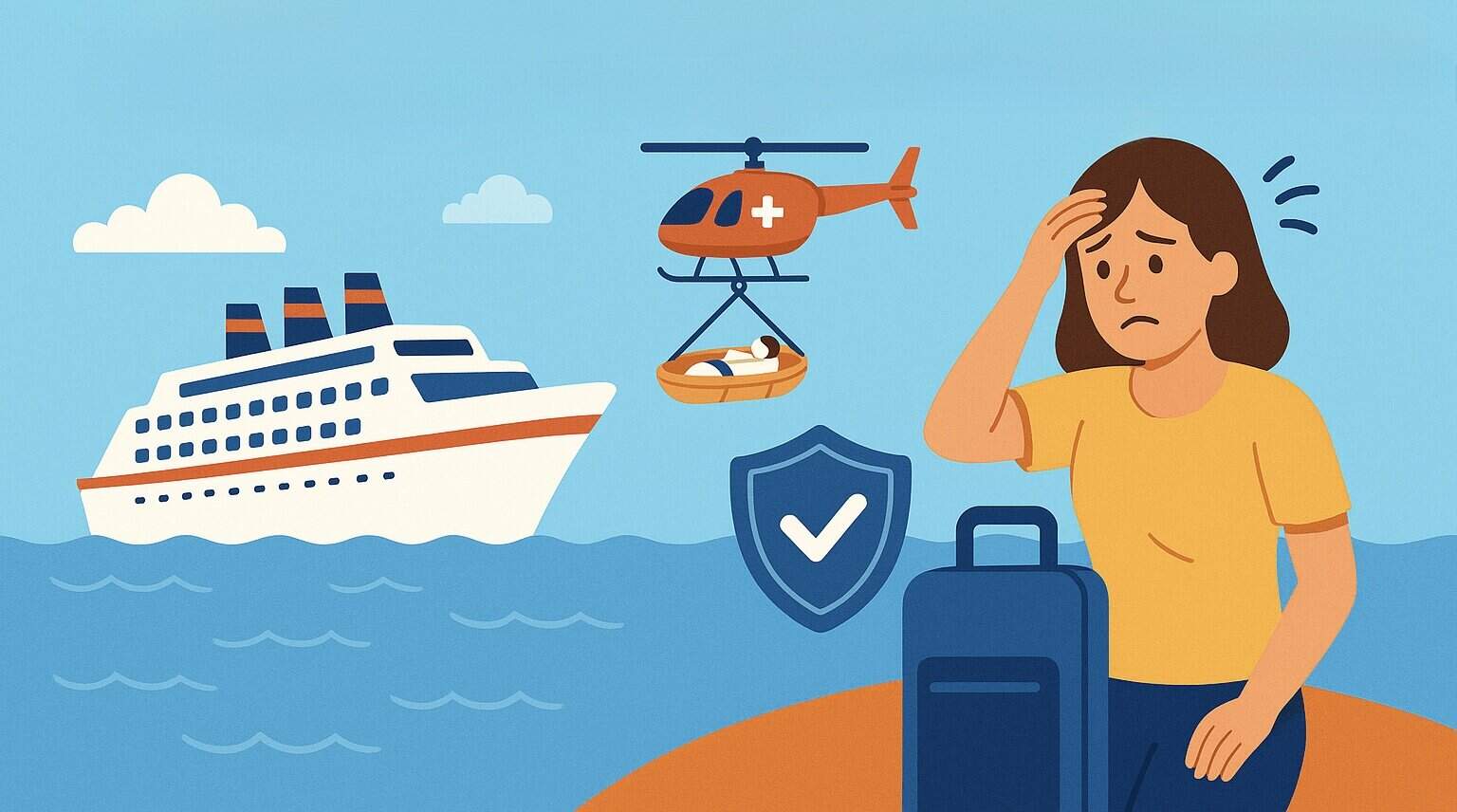
    I was on a cruise last year where a passenger had to be disembarked for medical reasons and transported back to the United States. The total cost of the medical evacuation? About $40,000. And here’s the worst part — they didn’t have travel insurance.

    My heart breaks for them, though I’m thankful they had a positive medical outcome. But the experience was a wake-up call: travel insurance isn’t a luxury. It’s a necessity.


    My Wake-Up Call

    I always thought I was invincible when it came to emergencies or travel snafus. I plan my trips within an inch of their life and usually have faith that everything will work out.

    But real life has a way of throwing curveballs:

    • Flights that never made it to my port city
    • Bags that didn’t arrive with me
    • A family member’s sudden, serious illness that forced me to cancel everything

    You don’t plan for it, but it happens. That’s where travel insurance comes in.


    What Travel Insurance Can Cover

    Most travelers assume insurance only matters if you cancel your trip. But the coverage goes far beyond that:

    • Medical emergencies, including costly evacuations
    • Flight delays, cancellations, or missed connections
    • Lost, stolen, or delayed luggage
    • Cruise interruptions or missed ports

    Depending on your plan, you may even be covered for things you’d never expect. (Check the fine print — maybe not “alien invasions,” but you’d be surprised.)


    Annual vs. Single-Trip Plans

    Here’s what worked for me: an annual plan. For just $280, I had coverage for every single trip I took that year. That’s less than I’d spend on onboard cocktails — and it bought me peace of mind.

    Not traveling as often? A single-trip plan may be the better choice. The point is, there’s an option that fits almost every traveler’s needs and budget.


    Timing Matters

    Here’s a tip many people don’t know: when you buy insurance matters. If you purchase within a certain number of days after booking your cruise (often 14–21 days), you may qualify for:

    • Pre-existing condition waivers
    • “Cancel for Any Reason” options

    Wait too long, and you might miss those valuable protections.


    Bottom Line

    Hope for the best, plan for the worst — and let travel insurance handle the “what ifs.”

    The truth is, it doesn’t have to break the bank, but it can save your wallet and your peace of mind. And the best part? Once you’ve got it in place, you can stop worrying and start enjoying your cruise the way it was meant to be enjoyed.

    If you’re not sure which policy makes the most sense for your trip, I’m always here to help you sort through the options. That’s part of what I do as a travel advisor — making sure you can focus on the fun, not the fine print.